20 Small Home Upgrades That Make Your House Feel More Expensive
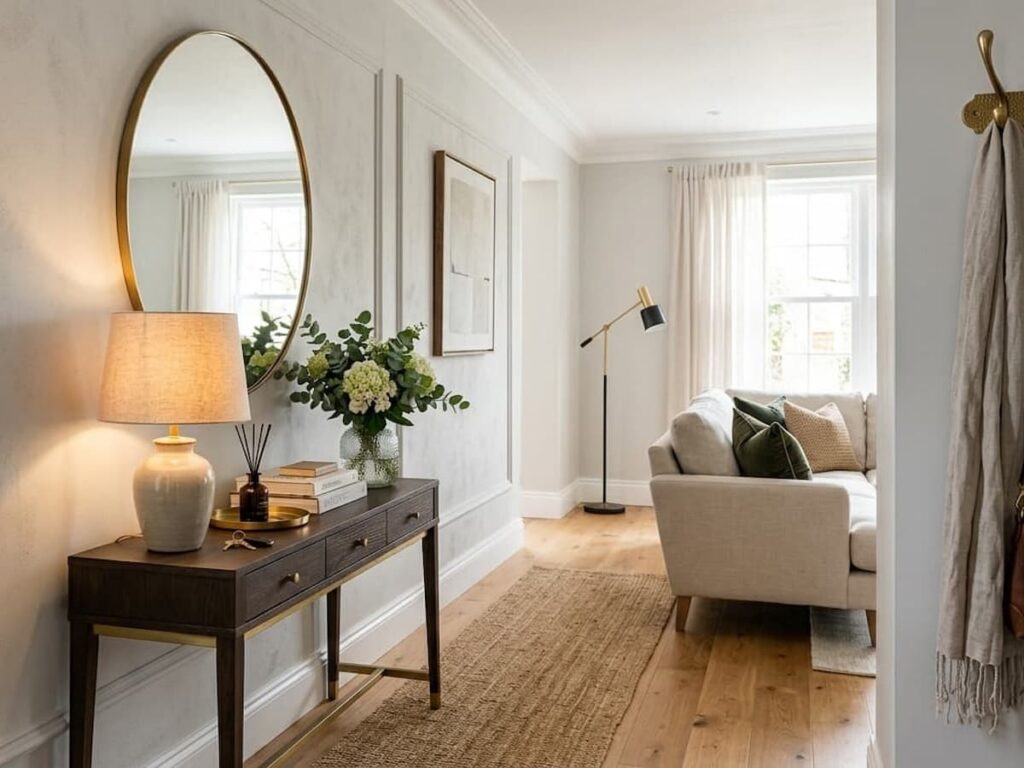

Let’s talk about quiet luxury in home design. What does that even mean? It’s the art of making a space look effortlessly high-end without screaming for attention. Have you ever walked into a home and immediately felt like it cost a fortune, even if you couldn’t quite pinpoint why? Square footage isn’t the deciding factor. Instead, the magic lies in the tiny, thoughtful details that create a sense of order, depth, and quality.
You don’t need a massive renovation budget to get this feeling in your own home. Focusing on small, high-impact interior upgrades can completely change the psychological feel of your space. Let’s look at twenty budget-friendly tweaks that will make your home feel like a million bucks.
Curb Appeal That Commands Value
First impressions are everything for how we perceive value. A strong first impression can lift your home’s perceived value by up to 7%. Even better, data shows that eight of the top ten highest-return home improvements are actually exterior projects.¹ So, let’s start right at your front door.
• The Steel Entry Door Illusion: Replacing a door is expensive, but you can fake the look. A brand-new steel entry door yields a massive 216% return on investment, but a can of high-gloss paint is much cheaper.² Paint your existing door a deep, rich color like high-gloss black, navy, or forest green. Swap the old handle for a heavy, modern brass or matte black lockset.
• The Garage Door Facade Upgrade: A new garage door is a top-performing project, bringing a 268% average return.¹ To get this look on a budget, buy magnetic carriage door hardware for under fifty dollars. Apply a high-quality gel stain to make your standard metal garage door look like expensive, custom-planked wood.
• Symmetrical Statement Planters: Symmetry is a classic design trick that signals luxury and order. Get rid of mismatched plastic pots and buy two large, heavy-looking concrete or black urns. Place them on either side of your door and plant them with tall, manicured evergreens.
• Modern Floating House Numbers: Standard brass or stick-on house numbers look incredibly dated. Swap them for five-inch or six-inch floating black metal numbers in a clean sans-serif font. This thirty-dollar upgrade instantly modernizes your home’s exterior.
Interior Upgrades That Speak Volumes
Once you step inside, the kitchen and bathrooms are the areas that get the most attention. A minor kitchen refresh yields a 113% return on investment, making targeted cosmetic upgrades highly profitable.³ Here is how you can elevate these high-value zones without tearing out cabinets.
• Swap Cabinet Hardware: Think of hardware as the jewelry of your home. Replacing basic builder-grade pulls with modern, heavyweight options completely transforms dated cabinetry. Interior designer Kristen McGowan suggests opting for matte black, brushed brass, or polished nickel pulls. Longer T-bar pulls or cup pulls give standard cabinets a custom, high-end look.
• Frame Builder-Grade Bathroom Mirrors: Giant, frameless sheet mirrors look cheap and unfinished. You can build a custom frame directly over the mirror using lightweight wood trim, miter shears, and Liquid Nails. Just remember a tip from the DIY community: paint the back of the frame before gluing it down, otherwise the raw wood reflection will show in the mirror.
• Install Under-Cabinet LED Lighting: High-end kitchens always feature layers of light. You don’t need an electrician for this. Use rechargeable, motion-activated, magnetic LED light strips hidden under your upper cabinets to add warmth and task lighting for around thirty dollars.
• Re-caulk and Reglaze the Tub: Dingy, yellowed caulk instantly cheapens a bathroom. Fresh, clean silicone caulk makes a bathroom look brand new for under twenty dollars, which is one of the easiest ways to boost perceived value.
• Swap the Showerhead: Upgrade your basic chrome showerhead to a multi-function rainfall fixture in matte black or brushed brass. It takes ten minutes to install and instantly gives your daily routine a spa-like feel.
Budget Home Improvements That Improve Functionality
Making your home look expensive is also about how it functions. Adding smart details and architectural depth can make a standard house feel like a custom-built estate.
• Replace Boob Lights with Architectural Fixtures: We all know those basic, flush-mount dome lights. They are a dead giveaway of a budget build. Swap them for semi-flush drum lights, woven rattan shades, or sleek geometric metal fixtures to elevate the room.
• Install Dimmer Switches: High-end hotels rely on soft, adjustable ambient lighting rather than harsh overhead lights. Installing a dimmer switch costs under thirty dollars and lets you control the mood of your living space. Pair them with warm-white LED bulbs for a cozy glow.
• Upgrade to Screwless Switch Plates: Standard plastic switch plates with visible, dirty screws look cheap. Upgrade to screwless, matte-finish, or solid brass plates. You can also paint your existing plates the exact color of your walls so they blend in.
• Apply DIY Picture Frame Molding: Wall paneling and picture box molding add instant architectural depth. Use lightweight trim and liquid nails to create symmetrical picture boxes on your walls, then paint the trim the exact same color as the wall for a seamless look.
• Paint Interior Doors a Contrast Color: Standard white interior doors can look flat and boring. Try painting them a soft charcoal gray, deep taupe, or warm beige to add designer flair.
Styling Secrets That Elevate a Room
Designing a high-end home is often about editing what you have and using scale to your advantage. Here are the styling secrets designers use to make budget spaces look luxurious.
• Hang Curtains High and Wide: Hanging curtain rods right above the window frame cuts the room in half. Designer Reynard Lowell suggests hanging your curtain rods as close to the ceiling as possible and extending the rod six to twelve inches past the window frame on both sides. This trick makes your ceilings feel taller and your windows look massive.
• Hide the Uglies: Visible TV cords, tangled phone chargers, and exposed plastic trash cans instantly cheapen a room. Use paintable cord hiders to conceal wires running down the wall, and keep trash cans tucked inside your cabinetry.
• Swap Out Mismatched or Small Rugs: A rug that is too small makes a room feel cramped and disjointed. Your rug should be large enough that at least the front legs of all major furniture pieces sit on top of it. If your favorite rug is too small, layer it over a larger, inexpensive jute rug to add texture and scale.
• Use Large-Scale Framed Art: Cluttering your walls with small, scattered frames or generic signs cheapens your home’s aesthetic. Hang one or two large-scale, framed pieces of art instead. You can frame thrifted textiles, architectural blueprints, or even a DIY canvas painted in a neutral style.
• Replace Plastic Clutter with Cohesive Dispensers: Branded plastic soap bottles and mismatched dish soap around sinks disrupt the visual flow. Architect and designer BaiXu notes that when every object is beautiful, clutter disappears. Swap plastic bottles for matching amber glass or ceramic pump dispensers.
• Incorporate Large-Scale Statement Greenery: Lots of small, cheap-looking faux plants collect dust and look tacky. Use one large, high-quality statement plant, like a faux olive tree or tall branches of eucalyptus, placed in a heavy ceramic or stone urn to draw the eye upward.
Why Small, High-Quality Details Create Lasting Value
When you look at the numbers, it’s clear that you don’t need to spend tens of thousands of dollars to build equity and enjoy a more beautiful home. The highest-return projects are often the ones that focus on presentation, order, and high-impact visual changes.
Focusing on quality over quantity is the secret to long-term value. By slowly replacing builder-grade materials with thoughtful, custom touches, you create a cohesive environment that feels intentional.
Ultimately, these small updates change the entire vibe of your home. It ceases to feel like a collection of random design choices and becomes a place that feels curated, peaceful, and incredibly expensive.
Sources:
1. Zonda 2025 Cost vs. Value Report
2. New Age Design and Build Cost vs. Value Report
2025 Cost vs Value Report: Which Home Projects Actually Pay Off?
3. Home Outlet Best Home Improvements
https://homeoutlet.com/blogbest-home-improvements-to-increase-home-value-before-selling-in-2026/