The Household Items You Should Replace More Often Than You Think
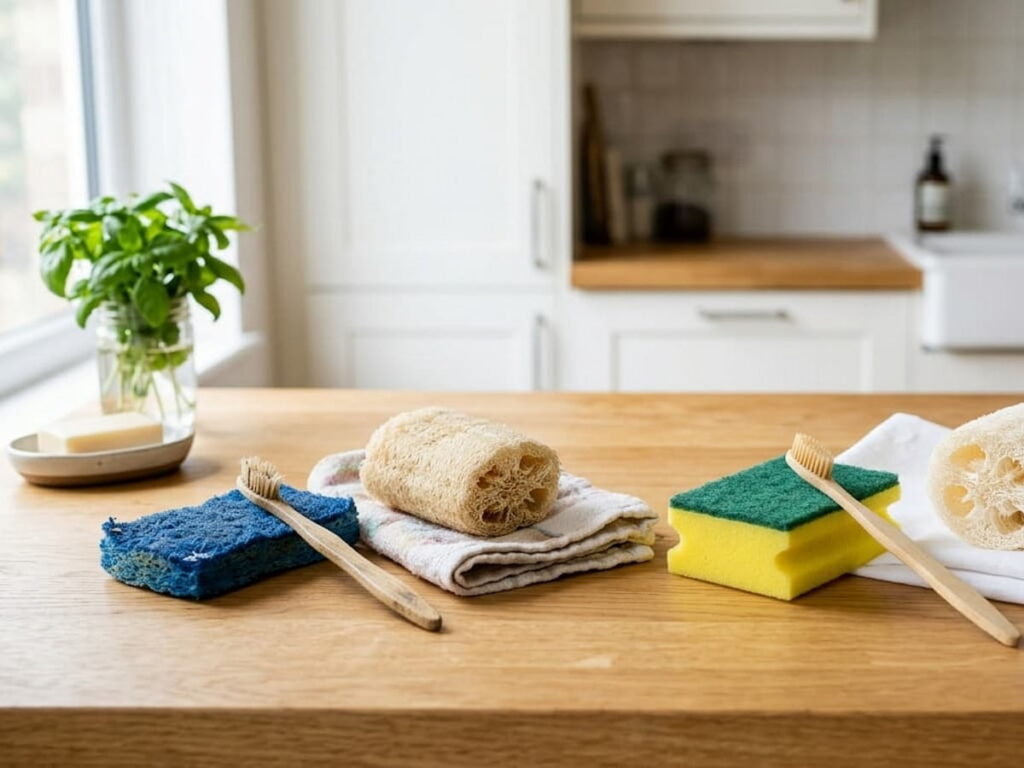

We all love the feeling of a clean, organized home. You wipe down the countertops, vacuum the rugs, and dust the shelves. But there is a hidden side to household maintenance that most of us completely ignore. Many of the items we use daily are failing silently right under our noses.
What does it mean to fail silently? It means an item looks perfectly fine on the outside, but its internal components or hygienic integrity have completely broken down. Holding onto these items for too long is not just a matter of clutter. It can actually cost you money, ruin your appliances, or even put your family in danger.
Taking a proactive approach to your home replacement schedule is one of the easiest ways to prevent accidents and keep things running efficiently. Let’s look at the everyday items you need to swap out much sooner than you think to keep your living space safe and healthy in 2026.
The Kitchen Hazards Lurking in Your Drawers
The kitchen is the heart of the home, but it is also a major hotspot for bacteria. You probably wash your dishes daily, but when was the last time you threw away your sponge or replaced your cutting board?
Many kitchen tools have a definitive expiration date that has nothing to do with how clean they look. Over time, daily wear and tear creates microscopic hiding places for pathogens that normal soap and water cannot reach.
Here are the key kitchen items you should be replacing regularly:
• Kitchen Sponges: Replace these every 1 to 2 weeks. Sponges remain damp and trap organic food particles, making them the dirtiest items in your entire house.¹ Trying to sanitize them in the microwave only buys you a few extra days.
• Cutting Boards: Replace these every year, or sooner if they have deep grooves. Every knife slice creates tiny crevices where moisture and dangerous bacteria like Salmonella or E. coli hide.
• Water Filters: Replace these every 2 to 6 months, depending on your model. Once the activated carbon in the filter is saturated, it stops cleaning your water and can actually start leaching trapped contaminants back into your glass.
Bathroom Needs Beyond the Toothbrush
We start and end our days in the bathroom, making it another important area for personal hygiene. Yet, many of us treat bathroom needs like they are buy-once-and-forget-forever products.
Moist, warm air is the perfect breeding ground for mold, mildew, and bacteria. If you are using the same bath towel or loofah for too long, you are spreading germs back onto your clean skin.
Keep your bathroom fresh by sticking to these replacement schedules.
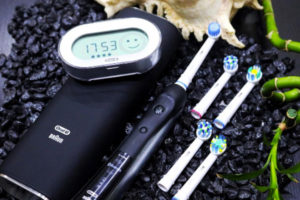
• Toothbrushes: Replace every 3 months. Frayed bristles lose their ability to clean plaque from tight spaces, and the damp bathroom air allows bacteria to accumulate on the head. Always swap to a new one immediately after recovering from an illness.
• Bath Towels: Replace every 2 to 5 years. Even with regular washing, cotton fibers break down from friction and detergent buildup, which ruins their absorbency. They also retain deep-seated moisture that leads to that permanent musty smell.
• Loofahs and Bath Mats: Replace plastic loofahs every 2 months and wash your bath mats weekly. These items trap dead skin cells and stay wet for hours, making them prime real estate for mold growth.
The Items That Protect Your Family
Some of the most important items in your home sit quietly in the background. Because we rarely interact with them, we assume they will last forever. But relying on outdated safety equipment is a major risk.
Electrical safety experts warn that surge protectors do not last indefinitely.² The core protective component, the Metal Oxide Varistor, degrades incrementally every time it absorbs a voltage spike from grid fluctuations or lightning.³ Once it degrades, the strip still delivers power but offers zero protection to your expensive electronics.
To keep your household safe, make sure you are tracking these life-saving devices:
• Surge Protectors: Replace every 2 to 5 years. If your neighborhood experiences a major electrical event like a lightning strike, replace your surge protectors immediately.
• Smoke Alarms: Replace every 10 years. Sensors naturally degrade over a decade due to dust, pollutants, and humidity. Even if the test button still beeps, the older sensor might not detect actual smoke quickly enough.
• Carbon Monoxide Detectors: Replace every 5 to 7 years. These sensors have a much shorter lifespan than smoke sensors. If you use a combination smoke and carbon monoxide detector, replace the whole unit at the 7-year mark.
• Fire Extinguishers: Replace every 10 to 12 years. The chemical agents inside can settle or clog, and the rubber seals can slowly leak pressure over time. Do a quick visual check monthly to make sure the pressure needle is in the green.
Bedding, Pillows, and Sleep Hygiene
We spend about a third of our lives in bed, which means our bedding goes through an incredible amount of wear. Every single night, your pillows and mattress absorb sweat, body oils, and millions of dead skin cells.
This buildup creates a cozy home for dust mites, which can trigger severe allergies and ruin your sleep quality. Beyond the hygiene factor, worn-out pillows lose their structural support, leading to chronic neck and shoulder pain.
Here is how often you should replace your sleep needs:
• Polyester or Down-Alternative Pillows: Replace every 6 to 12 months. These materials compress and clump up rapidly.
• Down or Feather Pillows: Replace every 1 to 2 years.
• Memory Foam Pillows: Replace every 2 to 3 years.
Have you tried the fold test? Fold your pillow in half and see if it springs back to its original flat shape. If it stays folded, the internal support has collapsed, and it is time for a new one.
Building a Sustainable Replacement Habit
Keeping track of all these different timelines might feel like a lot at first. How are you supposed to remember when you bought your surge protector or when your water filter is due for a change?
The easiest way to stay on top of things is to build a seasonal maintenance calendar. Dedicate a few minutes at the start of each season to check your smoke alarms, swap out your kitchen sponge, and inspect your cutting boards. You can also write the purchase date directly on the back of items like surge protectors and alarms with a permanent marker.
Balancing minimalism with necessary replacement matters. You do not need to throw things away needlessly, but keeping items past their expiration date is a disservice to your health and safety. By making these quick updates a regular habit, you will create a cleaner, safer, and much more comfortable living space for years to come.
Sources:
1. Nice News – Household Items to Replace
https://nicenews.com/lifestyle/household-items-replace-2025/
2. PEMCO – Replace Surge Protectors Every Two Years
https://pemco.com/blog/replace-surge-protectors-every-two-years
3. CNET – How Often Do You Need to Replace Surge Protectors
https://www.cnet.com/home/security/how-often-do-you-need-to-replace-surge-protectors/